Table Of Contents
Risks and Considerations
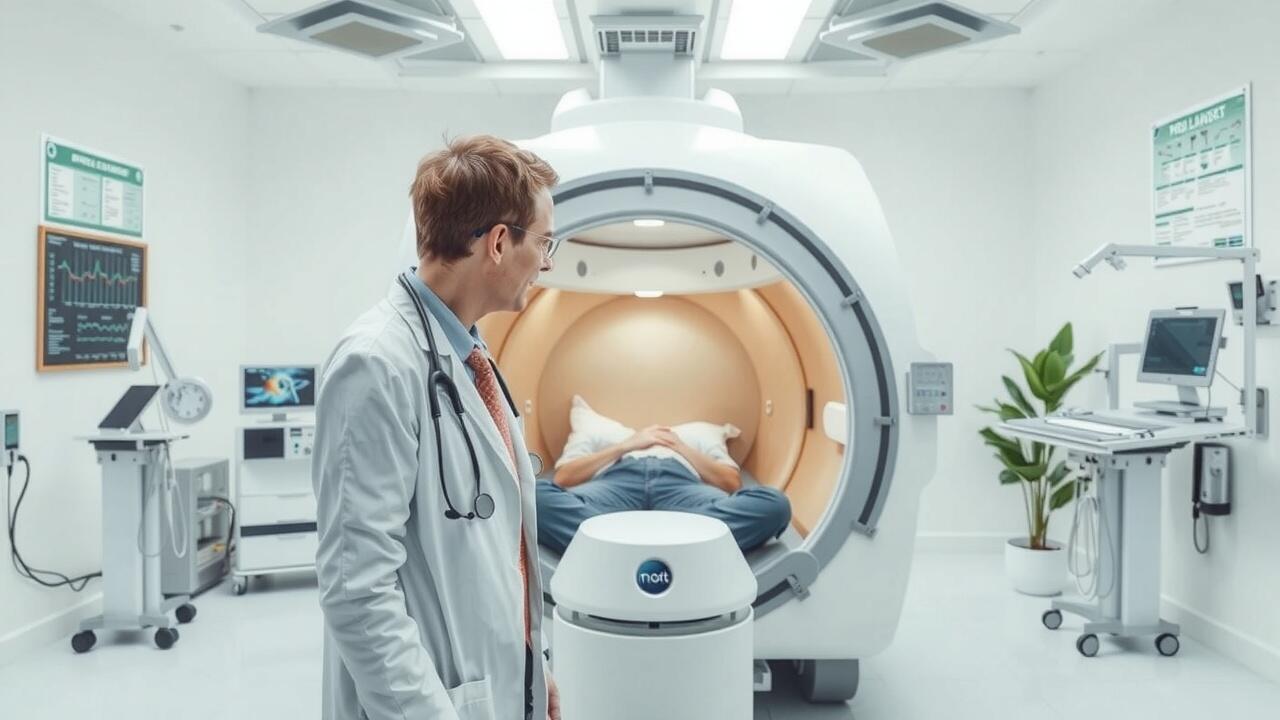
When considering Hyperbaric Oxygen Therapy (HBOT) for multiple sclerosis, it is essential to be aware of various risks associated with the treatment. While some patients report improved symptoms, potential side effects can include ear barotrauma, oxygen toxicity, and claustrophobia due to the chamber's confined space. Specific precautions must be taken for individuals with certain health conditions, such as those with respiratory or cardiac issues. Consulting a healthcare professional ensures that HBOT is suitable based on the patient's unique health status and needs.
In addition to physical risks, the financial implications of Hyperbaric Oxygen Therapy (HBOT) should be examined. Insurance coverage for this therapy may vary, and treatment can be expensive, requiring multiple sessions. Patients must weigh the costs against potential benefits. Understanding all aspects of HBOT, including the risks and financial considerations, helps patients make informed decisions regarding their treatment options in managing multiple sclerosis.
Safety Precautions for MS Patients
Multiple sclerosis (MS) patients considering Hyperbaric Oxygen Therapy (HBOT) should take specific precautions to ensure their safety. Before beginning any HBOT sessions, it is crucial for patients to consult with their healthcare provider to assess their overall health status and examine any potential contraindications. Those with unstable cardiovascular conditions or respiratory issues may face increased risks. Additionally, maintaining a thorough understanding of how HBOT interacts with existing medications and treatment regimens can help prevent adverse effects.
During the HBOT sessions, patients must adhere to strict safety guidelines established by the facility. Awareness of the chamber's environment is vital; this includes avoiding flammable materials and understanding the operation of the equipment. Patients should communicate any discomfort they may experience during therapy, such as anxiety or pressure changes. Continuous monitoring by trained professionals ensures prompt attention to any issues that might arise during treatment. This careful management can help create a more secure and effective experience for individuals with MS.
Comparing Hyperbaric Therapy with Conventional Treatments
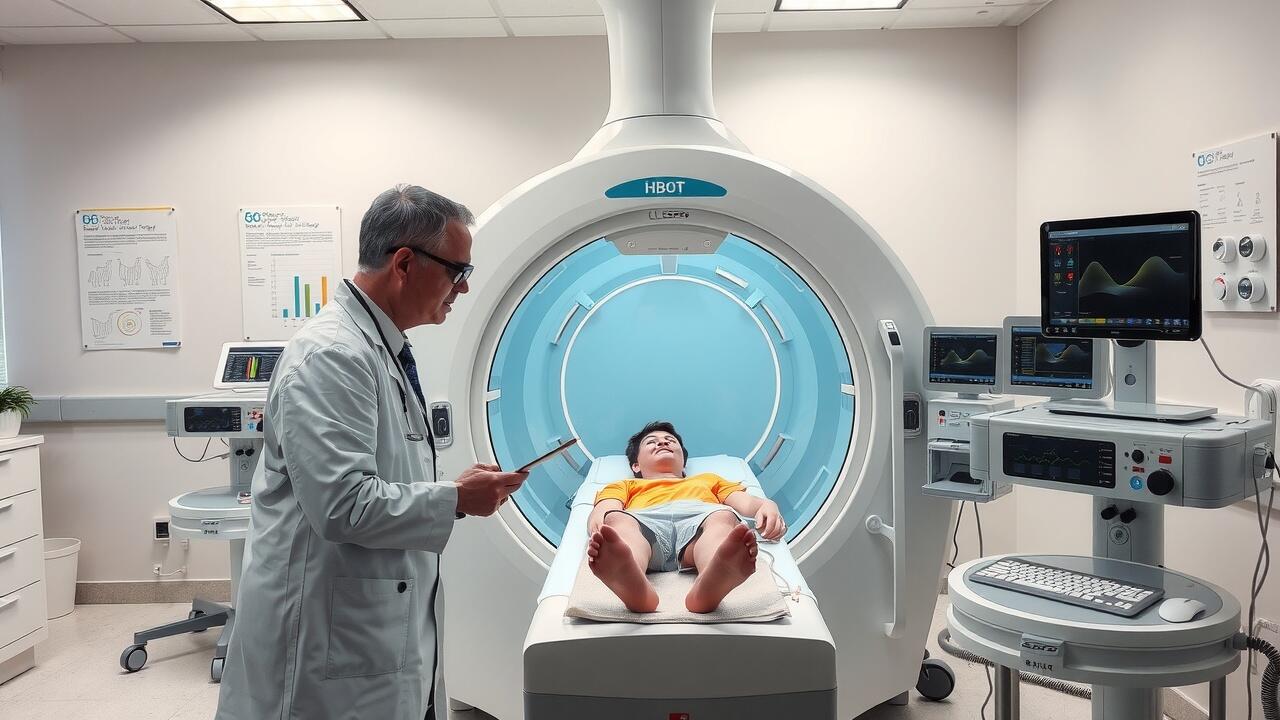
Hyperbaric Oxygen Therapy (HBOT) presents an alternative approach to managing symptoms of multiple sclerosis, differing significantly from conventional treatments such as disease-modifying therapies (DMTs). DMTs primarily focus on slowing disease progression and reducing relapse rates. These medications often carry a range of side effects that can impact patients' quality of life. In contrast, HBOT aims to enhance oxygen delivery to tissues, potentially alleviating certain symptoms like fatigue and cognitive issues without the same level of pharmacological interventions.
When comparing the effectiveness of HBOT with traditional treatments, outcomes may vary depending on individual patient responses. While some studies suggest HBOT may improve specific symptoms, it is not universally accepted as a primary treatment for MS. Conventional therapies have well-established protocols and extensive clinical research backing their use. Patients considering HBOT should consult healthcare professionals to carefully evaluate its potential benefits alongside standard MS treatments.
Effectiveness of Different Approaches
Multiple sclerosis (MS) patients often explore various treatment options to manage their symptoms and improve their quality of life. Conventional therapies include disease-modifying drugs, physical therapy, and symptomatic treatments. While these approaches have shown varying degrees of effectiveness, they may not provide comprehensive relief for every individual. As a result, some patients turn to alternative methods like Hyperbaric Oxygen Therapy (HBOT) to seek additional benefits in managing their condition.
Research surrounding the efficacy of HBOT for MS is still developing. Some studies suggest that this therapy can help reduce inflammation, enhance oxygen supply to tissues, and potentially promote neuroprotection. Although the evidence remains mixed, patients often report improvements in fatigue levels, mobility, and overall well-being after undergoing HBOT sessions. The effectiveness of integrating HBOT alongside conventional treatments is an area of ongoing interest for both patients and medical professionals.
Patient Testimonials and Experiences
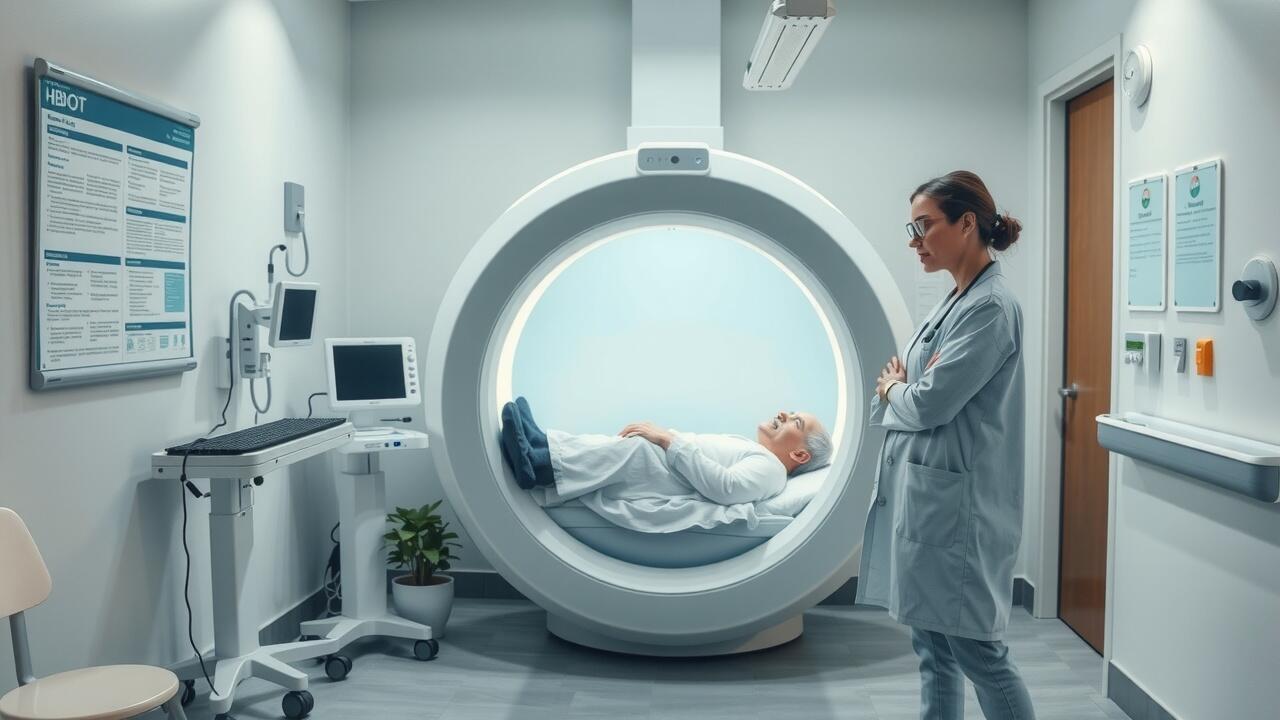
Patients who have undergone Hyperbaric Oxygen Therapy (HBOT) often share transformative experiences. Many report significant improvements in their fatigue levels and cognitive function after just a few sessions. Anecdotal evidence suggests that some individuals have noticed enhanced mobility and a reduction in muscle spasms. These personal accounts reflect a wide range of potential benefits, leading some patients to faithfully incorporate HBOT into their treatment regimens.
Real-life stories illustrate the mixed results of HBOT for patients with multiple sclerosis. While some individuals express optimism, claiming HBOT has positively influenced their quality of life, others remain skeptical about its effectiveness. The variability in experiences highlights the need for further research. Each person's journey with multiple sclerosis is unique, and factors such as the severity of the disease and individual responses to treatment can significantly shape outcomes.
Real-Life Impact of Hyperbaric Treatment
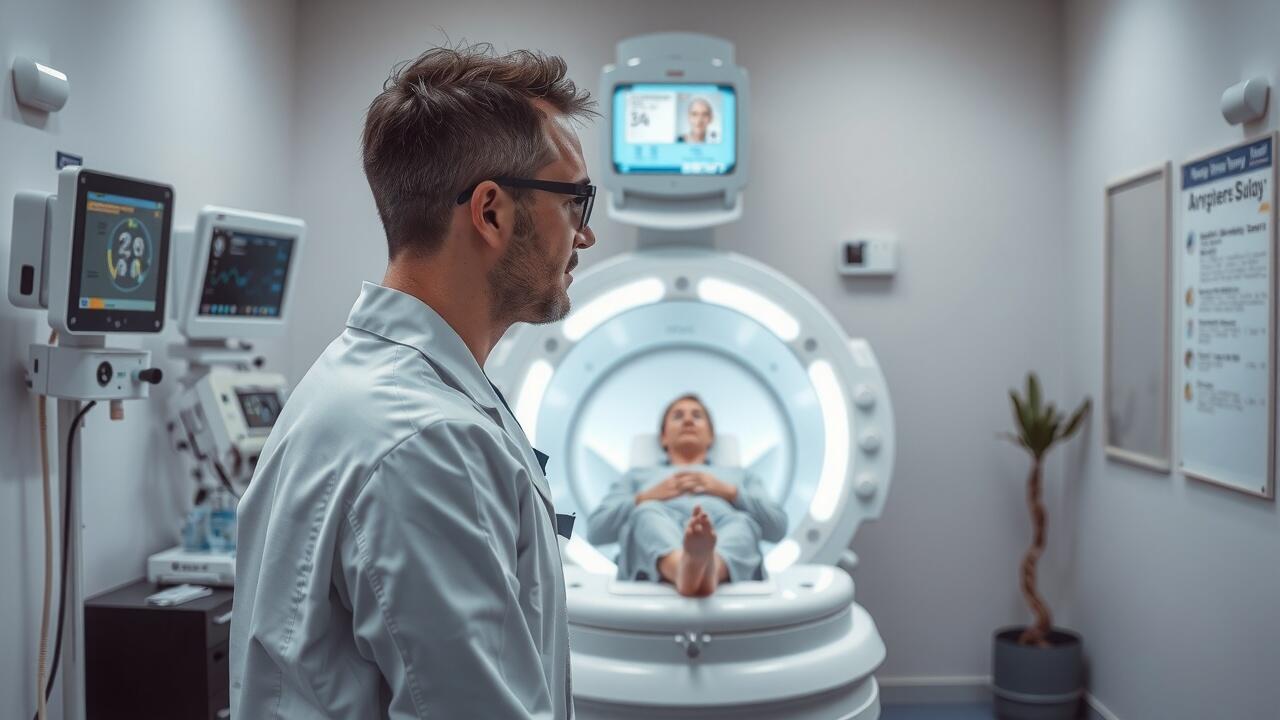
Patients undergoing Hyperbaric Oxygen Therapy (HBOT) have reported a variety of experiences that suggest improvements in their quality of life. Anecdotal evidence highlights enhancements in energy levels, cognitive function, and overall mood among multiple sclerosis patients. Some individuals describe reduced fatigue and improved mobility after treatment sessions. Personal testimonials indicate that these positive changes can significantly affect daily activities, making some tasks easier and less daunting.
Reactions to HBOT vary widely across individuals, with some experiencing notable benefits while others see minimal changes. Experts underscore the importance of personalizing treatment plans based on each patient's unique condition and progression of multiple sclerosis. Ongoing conversations in patient communities reveal that many consider HBOT a valuable addition to their overall treatment strategy, even if it is not a standalone solution.
FAQS
What is a hyperbaric chamber, and how does it work?
A hyperbaric chamber is a sealed environment that allows patients to breathe pure oxygen at higher-than-normal atmospheric pressure. This process enhances oxygen delivery to tissues, which may promote healing and reduce inflammation.
Can hyperbaric therapy cure multiple sclerosis?
Currently, there is no cure for multiple sclerosis. However, hyperbaric therapy may help alleviate some symptoms and improve the quality of life for some patients, although results can vary from person to person.
Are there any risks associated with hyperbaric therapy for MS patients?
Yes, there are potential risks, including barotrauma, oxygen toxicity, and claustrophobia. It’s essential for MS patients to consult with their healthcare providers to determine suitability and to discuss any underlying health conditions.
How does hyperbaric therapy compare to conventional MS treatments?
While hyperbaric therapy can provide supplemental benefits, conventional treatments for MS, such as disease-modifying therapies, are typically more established in managing the disease's progression and symptoms. Hyperbaric therapy may serve as a complementary approach.
What have patients experienced after undergoing hyperbaric treatment for MS?
Patient experiences vary widely, with some reporting improved fatigue levels, reduced pain, and enhanced mobility, while others may not notice significant changes. Individual responses can depend on the severity of the condition and the duration of treatment.